
What Happened: The Core Developments
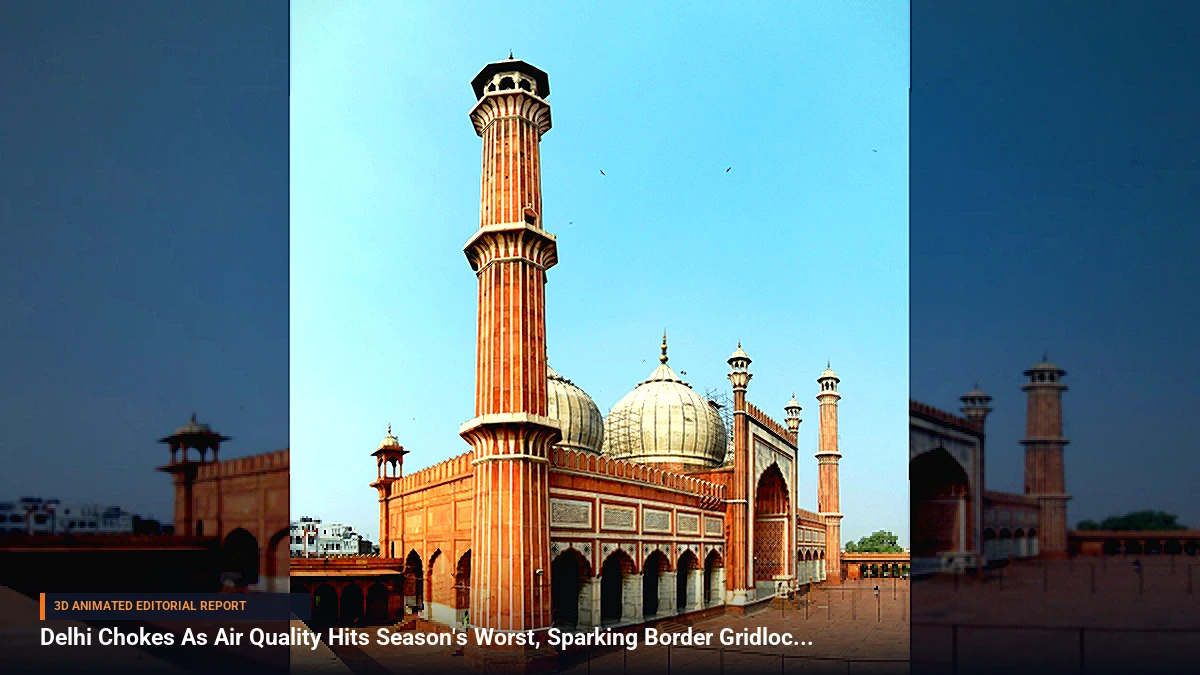
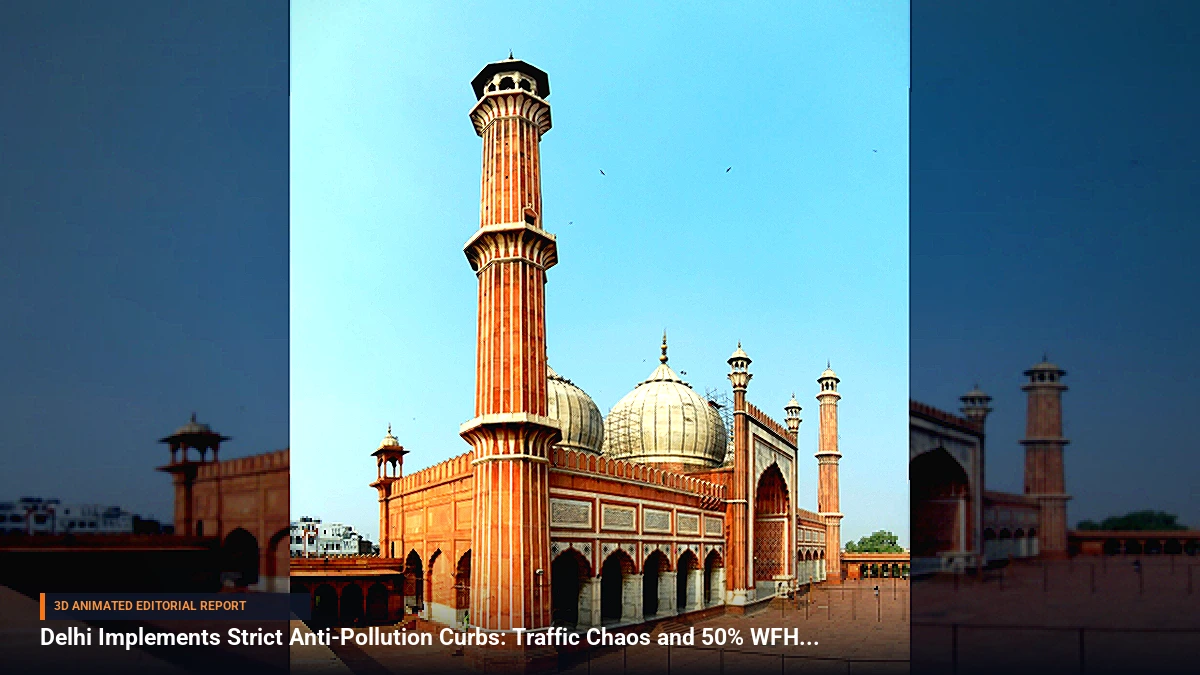
Delhi's environmental crisis reached a critical milestone as the overall Air Quality Index (AQI) worsened to 324, plunging into the 'very poor' category for the first time this season. The dramatic deterioration forced authorities to immediately activate Phase II of the Graded Response Action Plan (GRAP-II).
The enforcement was swift and uncompromising at city entry points. On the very first day of the restrictions, border control measures resulted in 1,500 vehicles being denied entry into the capital, while punitive enforcement yielded ₹68 lakh in fines for non-compliance. The situation escalated further as afternoon readings rolled in; by 4:00 PM, at least three specialized monitoring stations recorded readings plunging deep into the 'severe' bracket. Jahangirpuri logged the worst reading across the metropolis at an alarming AQI of 436, closely followed by Rohini at 415 and Punjabi Bagh at 413.
Background & Key Context
For residents of the National Capital Region, the annual transition into late autumn heralds a predictable yet worsening battle against toxic air. Stubble burning in neighboring agricultural states, combined with plunging temperatures, reduced wind speeds, and localized construction dust, creates an atmospheric trap.
GRAP is structured as a tiered emergency response mechanism designed to kick in incrementally as air pollution worsens. While Phase I targets general dust mitigation and coal or firewood usage restrictions, Phase II scales up interventions significantly. It mandates intensified mechanized sweeping of roads, water sprinkling on identified high-dust corridors, strict enforcement of diesel generator bans, and targeted checks on incoming traffic to restrict older, highly polluting commercial and personal vehicles from crossing into Delhi.
Key Takeaways
- Season's Worst AQI: Delhi's overall air quality index hit 324, marking the first entry into the 'very poor' bracket this season.
- Immediate Enforcement Metrics: Day one of GRAP-II rollout saw 1,500 vehicles turned away at border checkpoints and ₹68 lakh collected in penalties.
- Severe Hotspots: Jahangirpuri (436), Rohini (415), and Punjabi Bagh (413) crossed into the 'severe' AQI category by late afternoon.
- Commuter Friction: Stringent checks at critical transit arteries like the Sirhaul border led to massive traffic snarls and hours of delays for daily commuters.
- Regulatory Escalation: Authorities have been forced to deploy aggressive mechanized interventions and border policing much earlier than in previous years.
Impact, Analysis & Global/National Reactions
The friction between rigorous regulatory crackdowns and immediate public inconvenience was instantly visible across Delhi’s borders. Commuters reported being stuck for hours, with vehicular movement grinding to a crawl at major entry points such as the Sirhaul border. Urban transit analysts note that while aggressive vehicle filtering is vital to cutting down vehicular emissions, the sudden tightening without advanced public transit buffering places an immense burden on everyday travelers.
Political and civil reactions have been sharp. Opposition figures criticized municipal and central environmental management frameworks, arguing that preventative policies continue to lag behind seasonal predictability. Public health advocates have warned that exposure to particulate matter in the 'severe' and 'very poor' categories poses immediate respiratory risks, particularly for children, the elderly, and outdoor laborers.
What's Next: Looking Ahead
As winter deepens, meteorological forecasts suggest that atmospheric conditions will remain unfavorable for rapid pollutant dispersion. Municipal authorities and environmental commissions are bracing for the potential activation of GRAP-III and GRAP-IV if wind speeds drop further or if stubble-burning incidents peak.
Stakeholders across logistics, public transport, and municipal governance must navigate a delicate balancing act. Future days will test whether border enforcement mechanisms can be streamlined to reduce commuter gridlock while maintaining strict pressure on polluters and non-compliant vehicle operators.



Be the first to comment
Start a useful conversation around this story.