

What Happened: The Core Developments
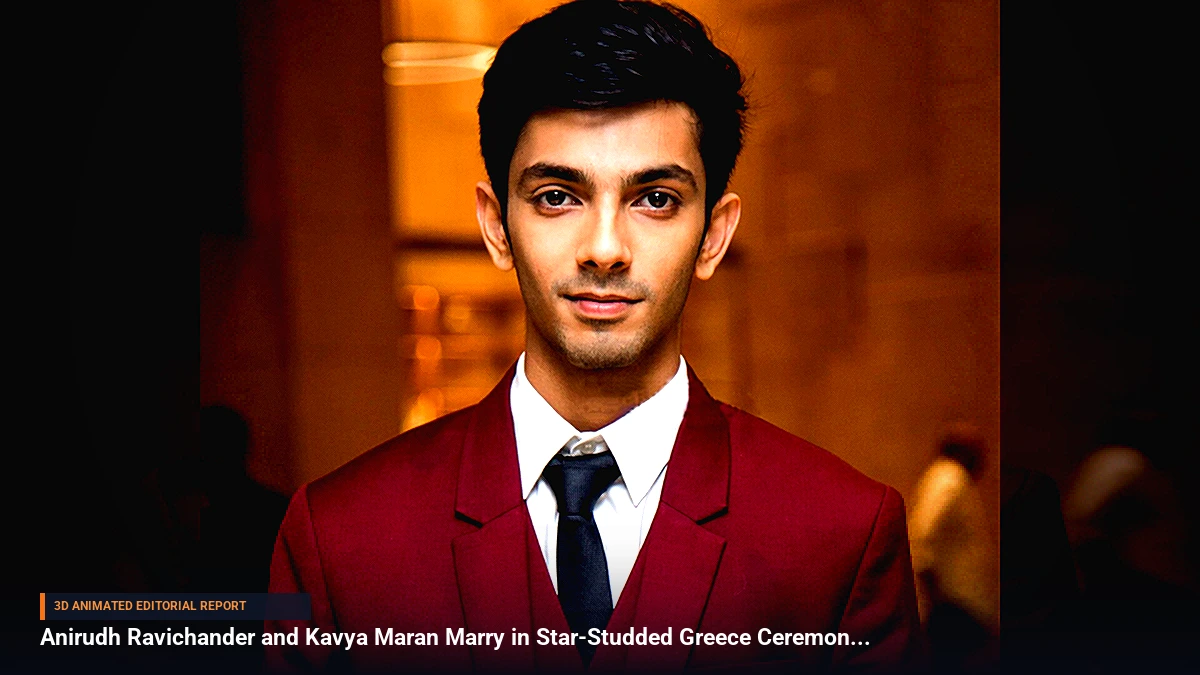
In the modern digital landscape, the velocity of information—and misinformation—remains astonishingly high. Over recent weeks, social media feeds have been dominated by two major viral narratives that quickly blurred the lines between fact and fiction. First, sweeping reports and speculative claims emerged across multiple platforms suggesting a destination wedding in Greece between renowned music composer Anirudh Ravichander and media executive Kavya Maran. Accompanying these claims were detailed descriptions of pastel Indian couture, priest-free ceremonies, and archival video clips—such as an older recording of Anirudh at a Jailer promotional event featuring Maran in the audience—which were repurposed to lend false credibility to the rumors.
Simultaneously, a separate digital storm erupted around stand-up comedian Gaurav Gupta. A viral post circulated online concerning an alleged roast or controversy involving Gupta and the reality television franchise Bigg Boss 20. The post generated substantial online backlash, prompting the comedian to temporarily lock or make his Instagram profile private. However, the situation took a definitive turn when prominent filmmaker Rohit Shetty stepped forward to issue a public clarification, explicitly stating that the viral post attributing statements to him was entirely fake and unauthorized.
Background & Key Context
Digital rumors involving prominent figures in the entertainment and sports-adjacent business worlds are rarely isolated incidents; they often feed on pre-existing public interest. Anirudh Ravichander is one of the most prolific and recognizable music directors in Indian cinema, while Kavya Maran maintains a high-profile public presence as a key executive associated with the Sunrisers Hyderabad cricket franchise. Because both individuals command massive followings, any speculative pairing naturally attracts intense algorithmic curiosity, turning tangential archive footage—like past public event appearances—into viral fodder.
On the comedy front, public figures navigating reality television discourse frequently face intense scrutiny. Comedian Gaurav Gupta found himself at the receiving end of a digital pile-on following unverified claims tied to Bigg Boss 20. The rapid escalation forced industry stakeholders to intervene directly to protect professional reputations and correct the public record against fabricated social media commentary.
Key Takeaways
- Rapid Misinformation Spread: Fabricated narratives regarding celebrity relationships can gain millions of views within hours by recycling old, out-of-context video footage.
- Director Intervention: Filmmaker Rohit Shetty had to formally disown a viral, unauthorized post regarding comedian Gaurav Gupta's online backlash.
- Digital Self-Defense: Public figures like Gaurav Gupta often resort to locking or privatizing social media accounts to manage sudden, unverified online harassment.
- The Illusion of Authenticity: Elaborate details—such as specific wedding locations in Greece or fake official statements—are frequently fabricated to make rumors appear legitimate.
- Verification Challenges: Major search trends and news aggregators often amplify these stories before official confirmations or denials can be issued.
Impact, Analysis & Global/National Reactions
The recurrence of high-profile digital hoaxes highlights vulnerabilities in how modern audiences consume online news. Industry analysts note that algorithmic feeds prioritize engagement over accuracy, allowing sensational wedding claims and fake director statements to outpace traditional fact-checking mechanisms.
Following the circulation of the unauthorized post, Rohit Shetty’s swift clarification served as a critical reminder of the dangers of impersonation and fabricated social media declarations. Industry associations and digital rights advocates continue to urge platforms to implement stricter guardrails against viral misinformation that impacts the personal and professional lives of public figures.
What's Next: Looking Ahead
As digital platforms grapple with sophisticated deepfakes, recycled archive footage, and unauthorized statements, the onus increasingly falls on verified public figures and management teams to issue rapid clarifications. Stakeholders across the entertainment and sports industries are expected to adopt more proactive digital communication strategies to dismantle baseless rumours before they morph into widespread public misconceptions. Observers will continue monitoring how social media platforms adapt their content moderation policies to curb the lifecycle of unverified viral claims.



Be the first to comment
Start a useful conversation around this story.