
What Happened: The Core Developments
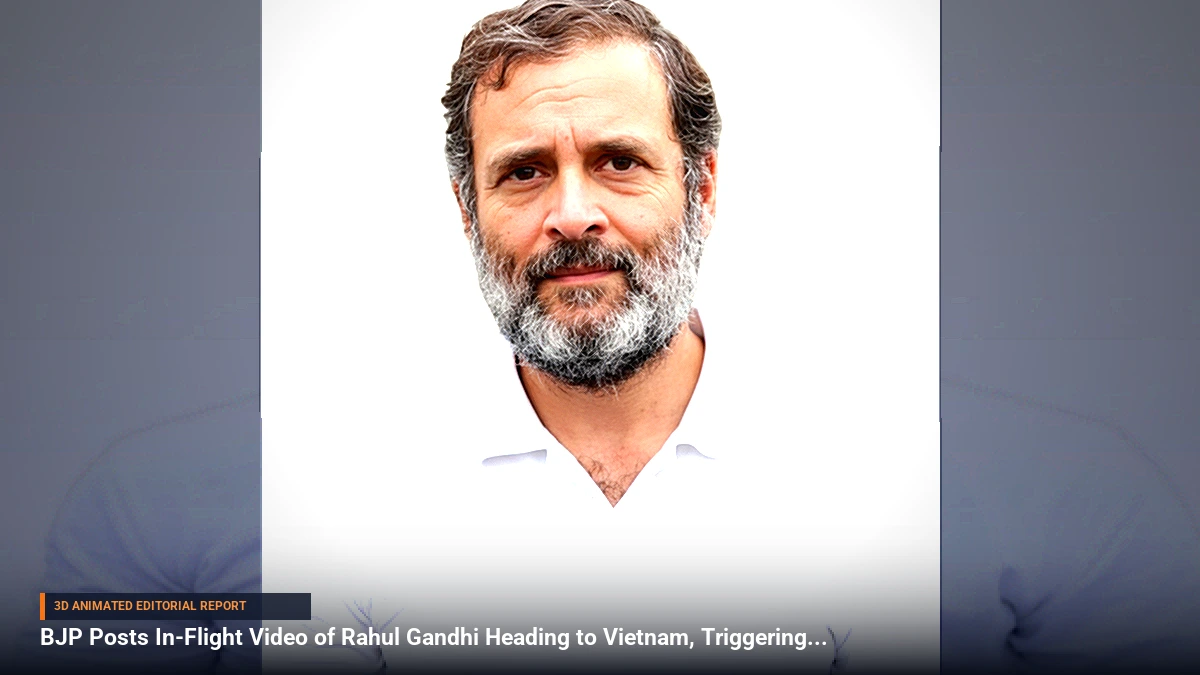
In an escalating battle of political optics and digital media maneuvering, the Bharatiya Janata Party (BJP) released an in-flight video purportedly showing senior Congress leader Rahul Gandhi on board an aircraft. According to the ruling party, the prominent opposition figure was heading to Vietnam for a brief personal holiday.
The video, disseminated rapidly across social media channels by party handles and supporters, was accompanied by pointed commentary questioning Gandhi's dedication to political mobilization and continuous grassroots engagement. The BJP framed the trip as evidence of inconsistency in his political commitments, utilizing the footage to amplify narratives regarding his travel habits during crucial political cycles.
Background & Key Context
Personal travel by prominent political leaders has frequently become a flashpoint in Indian electoral and partisan warfare. Over the years, the ruling party has repeatedly leveraged Gandhi's foreign trips and brief personal leaves to construct a narrative of detachment, contrasting his schedule with the relentless campaign routines of senior NDA leaders.
This latest episode arrives amid heightened legislative and public debates, including ongoing political skirmishes concerning parliamentary agendas and public protests. By focusing attention on the logistics of an opposition leader's private movements, political analysts note that social media wings of major parties are increasingly utilizing surveillance-style optics to dictate the daily news cycle and influence digital public sentiment.
Key Takeaways
- In-Flight Footage Release: The BJP shared a video captured inside an aircraft, claiming it featured Rahul Gandhi traveling to Vietnam.
- Partisan Framing: The ruling party utilized the visual material to accuse the Congress leader of prioritizing leisure over rigorous political engagement.
- Swift Pushback: The Congress party strongly condemned the surveillance-style tactic, defending personal time and privacy.
- Digital Warfare Strategy: The incident highlights the growing reliance on invasive social media tactics and real-time tracking in contemporary Indian political discourse.
Impact, Analysis & Global/National Reactions
The dissemination of the in-flight video has ignited a broader conversation concerning political ethics, privacy boundaries, and the professionalization of digital surveillance in modern political campaigns. Critics of the BJP's tactic argue that filming individuals during private transit crosses a line of personal privacy, turning routine mobility into an unwarranted public spectacle.
Conversely, supporters of the ruling party defended the dissemination of the video, arguing that high-profile public figures—particularly those aspiring to lead the nation—are subjected to constant public scrutiny regardless of whether their activities are official or personal. Political analysts point out that these episodes serve as strategic distractions, shifting public attention away from substantive policy debates and locking opposing camps into cyclical culture wars on digital platforms.
What's Next: Looking Ahead
As political parties gear up for upcoming electoral battles across various states, digital communication strategies are expected to grow increasingly aggressive. Both the ruling coalition and the opposition bloc will likely face mounting pressure to establish ethical guidelines for digital campaigning, especially concerning the boundaries between public accountability and personal privacy. Observers will be watching to see whether election commissions or platform regulators implement stricter guardrails against the use of unauthorized personal recordings in political messaging.
Be the first to comment
Start a useful conversation around this story.