
What Happened: The Core Developments
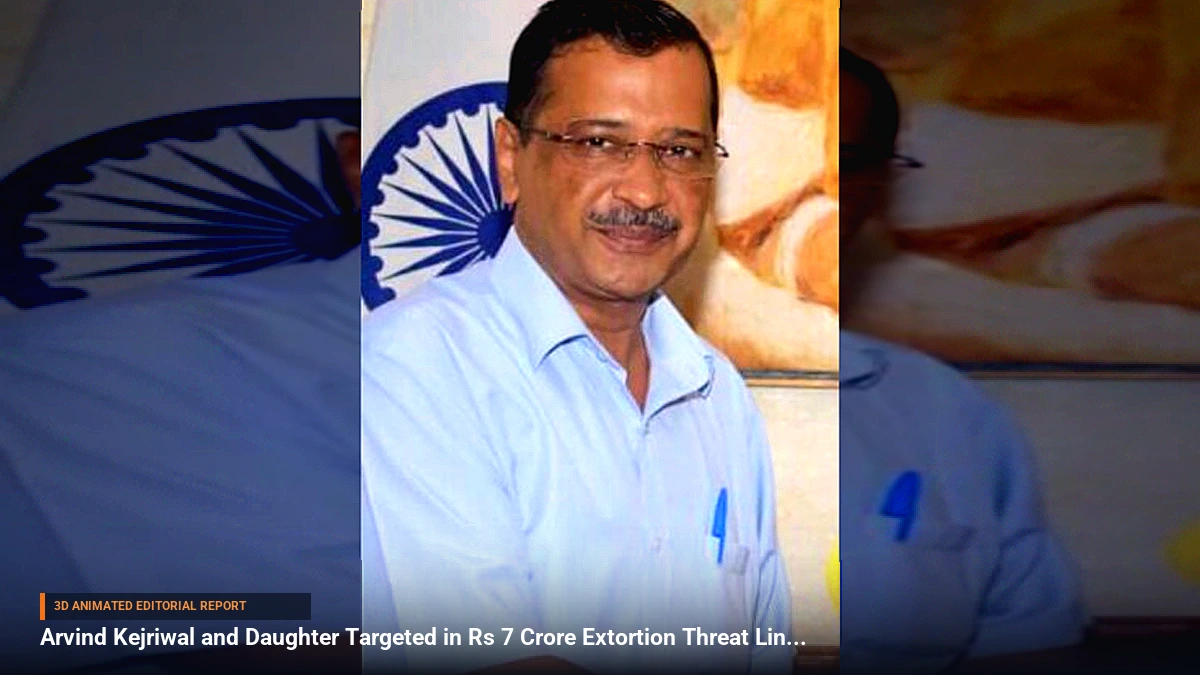
National capital politics and security circles were thrown into a state of heightened alert following reports that former Delhi Chief Minister Arvind Kejriwal and his daughter received explicit death threats. The perpetrators demanded a massive ransom of Rs 7 crore, invoking the name of the Lawrence Bishnoi gang, a syndicate currently under intense scrutiny by federal and state investigative agencies across India.
The gravity of the situation escalated when Tilak Nagar MLA Jarnail Singh formally approached the Delhi Police. According to law enforcement disclosures, Singh received a series of threatening phone calls and digital messages via WhatsApp from an individual explicitly claiming affiliation with the Bishnoi crime network. The communications left no ambiguity about the intended targets, specifically naming Kejriwal and his family member while demanding the multi-crore payout.
Background & Key Context
This incident underscores a troubling escalation in the tactics employed by organized crime syndicates targeting high-profile political figures and public servants in India. Over recent years, the Lawrence Bishnoi gang has transitioned from localized racketeering in northern states to a sprawling syndicate capable of issuing high-profile threats, extortions, and contract violence across multiple state jurisdictions.
Political figures have increasingly found themselves in the crosshairs of extortionists seeking high-visibility leverage. The involvement of digital communication channels, such as encrypted messaging apps, highlights the evolving methods used by criminal elements to bypass traditional surveillance while attempting to instill maximum psychological terror.
Key Takeaways
- Target Identification: Both Arvind Kejriwal and his daughter were explicitly targeted in the extortion messages.
- Ransom Demand: The perpetrators demanded a cash payment amounting to Rs 7 crore.
- Syndicate Link: The threats were explicitly attributed to the Lawrence Bishnoi gang.
- Official Reporting: Tilak Nagar MLA Jarnail Singh formally reported the calls and WhatsApp messages to the Delhi Police.
- Investigation Status: Security agencies are actively examining call records, digital footprints, and the origins of the WhatsApp messages to verify the authenticity of the gang's involvement.
Impact, Analysis & Global/National Reactions
The emergence of a direct threat against a prominent political leader like Arvind Kejriwal raises critical questions regarding the security apparatus protecting India's civilian leadership. Security analysts note that extortion attempts utilizing the moniker of major syndicates like Bishnoi's are designed not only for financial extraction but to generate massive media attention and destabilize public confidence in law enforcement.
While institutional responses from the Delhi Police remain focused on containment and verification, political allies have expressed deep concern over the safety of opposition leaders. The incident has reignited debates regarding prisoner management, as several key members of organized crime syndicates continue to operate networks or project influence from behind bars.
What's Next: Looking Ahead
Law enforcement authorities are expected to ramp up security protocols surrounding Kejriwal and his family while the cyber cell deepens its investigation into the phone numbers and IP addresses linked to the WhatsApp messages. Investigators will seek to determine whether the threats emanate from hardened core members of the Bishnoi syndicate or opportunistic copycats looking to exploit the gang's notoriety for personal financial gain. Formal updates regarding the registration of a First Information Report (FIR) and subsequent arrests are anticipated as the probe widens.

Be the first to comment
Start a useful conversation around this story.