
What Happened: The Core Developments
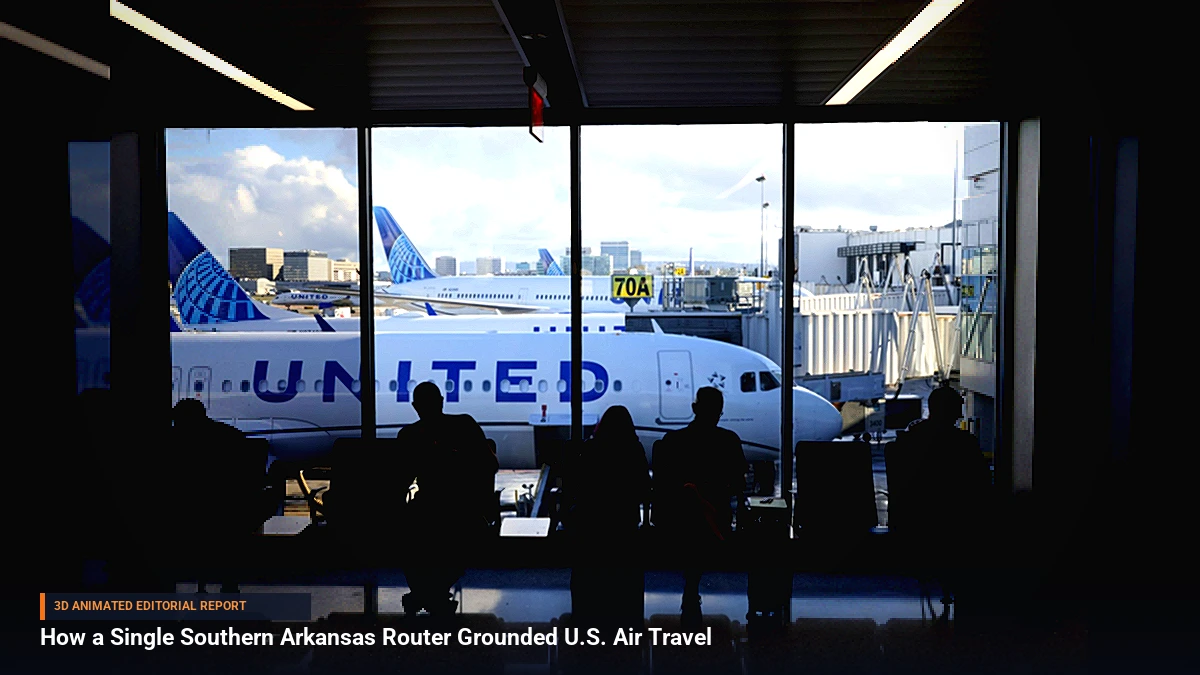
In an alarming demonstration of modern infrastructure vulnerability, a localized technical failure brought the entire United States airspace to a temporary standstill. The Federal Aviation Administration (FAA) was forced to issue a sweeping national ground stop that disrupted domestic and international carriers alike. According to federal officials, recovery efforts were swiftly mobilized, with operations anticipated to normalize by the conclusion of November 15.
The disruption immediately cascaded through the national transportation ecosystem. More than 1.5 million passengers found themselves stranded at terminals nationwide, facing canceled flights, missed connections, and compounding delays. Major sports leagues, including the NBA, NHL, and high-profile collegiate football programs, reported severe logistical hurdles as teams struggled to travel for weekend games.
Background & Key Context
Investigators quickly traced the root cause of the unprecedented nationwide halt to an unexpected location: a single networking router situated in southern Arkansas. Transport authorities revealed that the catastrophic failure was tied to a routine copper wire upgrade.
While modernization projects are standard operating procedure for upgrading aging telecommunications backbones, this incident underscores the terrifyingly narrow margins of error in mission-critical federal systems. A localized hardware component failure bypassed redundancy safeguards, successfully paralyzing an airspace network that typically manages tens of thousands of flights daily.
Key Takeaways
- Single Point of Failure: A lone networking router in southern Arkansas managed to halt U.S. air travel nationwide.
- Massive Scale of Disruption: Over 1.5 million passengers faced severe travel delays and cancellations.
- Sporting Logistics Crippled: Weekend schedules for the NBA, NHL, and college football were severely impacted by team travel delays.
- Targeted Recovery Timeline: The FAA projected a full operational recovery and clearance of backlogs by the end of November 15.
- Modernization Risks: The incident was linked directly to complications arising from a copper wire network upgrade.
Impact, Analysis & Global/National Reactions
The incident has reignited intense debate among lawmakers, cybersecurity experts, and aviation analysts regarding the fragility of critical national infrastructure. Critics argue that critical systems handling millions of lives daily should never possess a single point of failure capable of bringing down the entire network.
"We are witnessing the physical manifestations of hyper-connected, yet fragile, infrastructure," noted transport policy analysts. Industry stakeholders have called for an immediate independent audit of all legacy hardware tied to federal aviation communications to prevent a recurrence. Airlines, already operating on thin operational margins, expressed frustration over the massive economic losses and logistical nightmares triggered by a localized hardware issue.
What's Next: Looking Ahead
As the FAA and transportation officials work around the clock to restore full scheduling integrity, congressional committees have already signaled intentions to launch formal inquiries. Lawmakers are expected to summon aviation and technology executives to testify regarding redundancy protocols, hardware maintenance schedules, and the overarching security of the nation's air traffic control network.






Be the first to comment
Start a useful conversation around this story.