

What Happened: The Core Developments
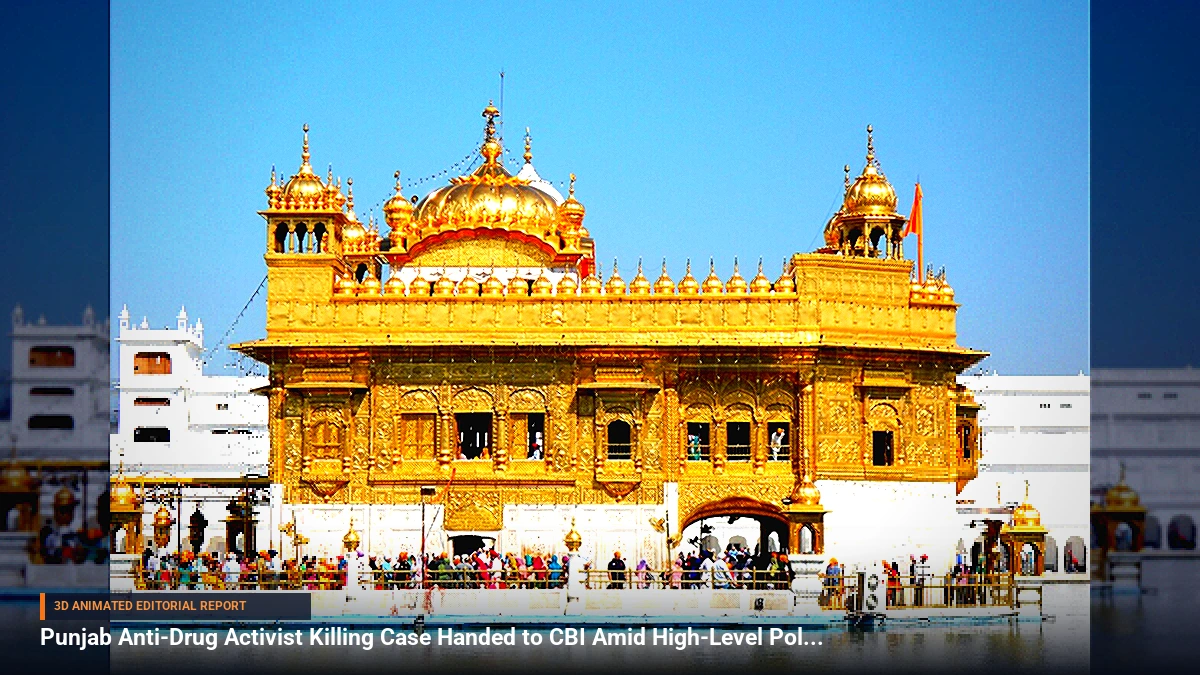
Union Home Minister Amit Shah intensified political friction between New Delhi and Punjab's state administration during a high-profile visit to the region. Meeting directly with the families of slain anti-drug campaigners and individuals impacted by the state's deep-rooted narcotics crisis, Shah launched a scathing critique against the Aam Aadmi Party (AAP) government. He accused the state apparatus of failing to curb an open and rampant drug trade.
During his engagements, which included an appearance at a Dussehra event in Ludhiana, the Home Minister formally demanded that high-profile probes into tragic incidents and activist deaths in districts like Sangrur and Batala be transferred immediately to the Central Bureau of Investigation (CBI). Shah assured grieving families that central authorities would aggressively track down the perpetrators, signaling a potential direct confrontation over law enforcement jurisdiction.
Background & Key Context
Punjab has long grappled with a severe substance abuse epidemic that has transcended generations, turning into a major flashpoint in state and national politics. Successive governments have promised sweeping eradication programs, yet trafficking networks continue to operate with alarming resilience.
In recent years, local civil society members, community leaders, and anti-drug activists have increasingly stepped forward to challenge traffickers at the grassroots level. However, this activism has come at a grave cost, with several campaigners facing violent retaliation, threats, and targeted killings. The inability or perceived reluctance of local law enforcement to protect these activists has fueled public outrage, opening the door for central political intervention and demands for federal oversight.
Key Takeaways
- Direct Confrontation: Home Minister Amit Shah met directly with families of targeted anti-drug activists in Punjab, amplifying pressure on the state government.
- Demand for CBI Probes: Shah publicly called for investigations into sensitive cases in Sangrur and Batala to be handed over to federal agencies.
- Sharp Political Criticism: The Home Minister openly criticized the ruling AAP administration for allegedly allowing an open drug trade to flourish.
- Central Intervention Warning: Shah encouraged citizens to report illicit drug trafficking directly to central authorities, warning that national agencies are prepared to intervene if state mechanisms falter.
- State Counter-Response: The AAP administration quickly pushed back, accusing the central government of weaponizing a humanitarian crisis for political mileage.
Impact, Analysis & Global/National Reactions
The visit has triggered a fierce political war of words between the Bharatiya Janata Party (BJP)-led central government and Punjab's regional AAP leadership. Political analysts view this maneuver as a calculated effort by the Centre to increase its footprint in the border state by leveraging public dissatisfaction over law and order.
In response to Shah's hardline stance, a senior Punjab cabinet minister vehemently defended the state's record, stating that the Centre must stop treating Punjab's profound drug crisis as a convenient "political opportunity." The minister argued that unilateral demands for CBI probes undermine local administrative authority and politicize a sensitive security and social challenge.
Meanwhile, civil rights advocates and local anti-drug groups have expressed mixed reactions. While many welcome any serious commitment to bringing killers to justice, others caution against turning the fight against narcotics into a protracted partisan battlefield between federal and state entities.
What's Next: Looking Ahead
As political temperatures rise, all eyes will be on whether the Punjab government formally complies with the demands to transfer key investigations to the Central Bureau of Investigation. Refusal by the state administration could prompt further legal maneuvering or direct action by central agencies.
Additionally, public safety protocols for grassroots anti-drug campaigners are expected to come under intense review. Stakeholders across the political spectrum will be closely monitoring upcoming legislative sessions and central security briefings to see how federal authorities plan to follow through on pledges to dismantle Punjab's entrenched drug syndicates.


Be the first to comment
Start a useful conversation around this story.