
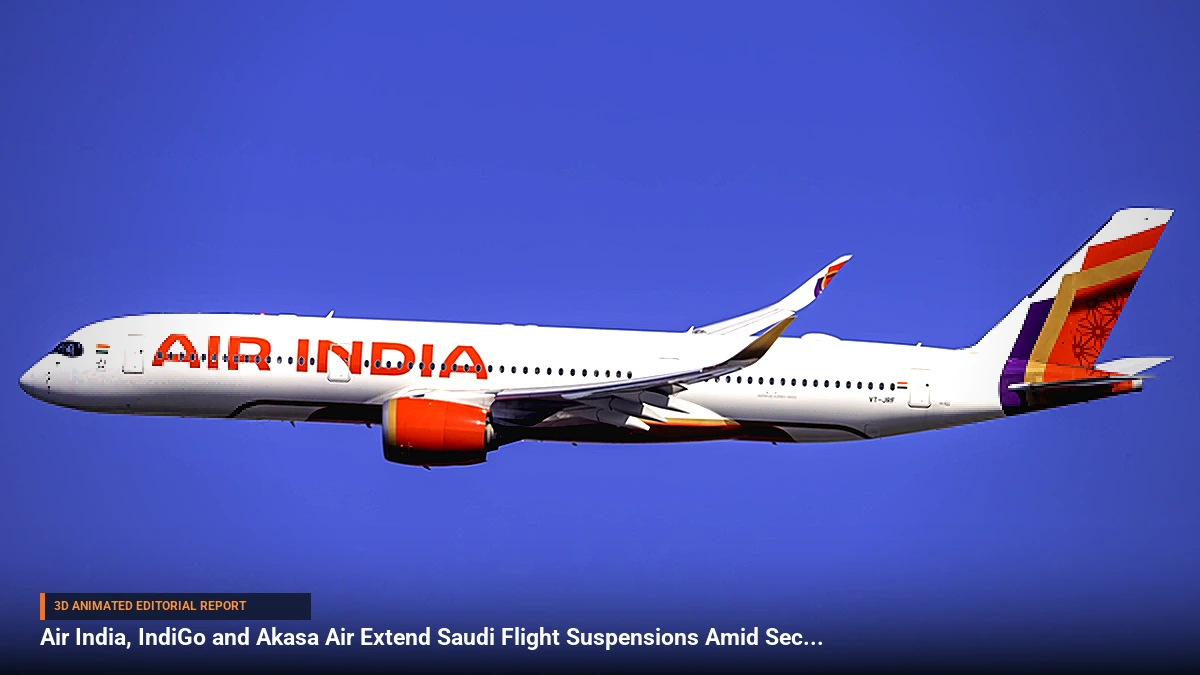
What Happened: The Core Developments
Commercial aviation corridors linking India to the Kingdom of Saudi Arabia have faced severe disruptions after major carriers extended their flight suspensions well into November. Air India announced the extension of its Saudi flight cancellations through November 7, responding directly to heightened regional security concerns. Parallel moves were taken by budget carriers IndiGo and Akasa Air, which likewise suspended or prolonged the halt of their services to major Saudi hubs.
The disruptions heavily impact routes serving primary commercial and transit centers, including Riyadh, Dammam, and Jeddah. Airlines have emphasized that passenger and crew safety remains paramount, prompting precautionary schedule adjustments as geopolitical friction in the region intensifies.
Background & Key Context
The sweeping flight suspensions are a direct byproduct of escalating kinetic activity across the Arabian Peninsula. Recent weeks have witnessed renewed security incidents, with Houthi forces claiming responsibility for targeted drone and missile strikes directed at critical infrastructure inside Saudi Arabia, including civilian airports and key oil facilities managed by Saudi Aramco.
International carriers operating routes through Gulf airspace have been forced to constantly reassess risk profiles. While Indian aviation authorities and external affairs missions have kept a close watch on developments, the fluid security landscape has left airlines with little operational choice other than to ground flights or reroute aircraft to mitigate catastrophic risks.
Key Takeaways
- Carriers Involved: Air India, IndiGo, and Akasa Air have all implemented extended flight suspensions.
- Affected Destinations: Key Saudi commercial hubs including Riyadh, Dammam, and Jeddah are impacted.
- Timeline: Air India's cancellations stretch officially until November 7, with other carriers enforcing overlapping suspension periods.
- Root Cause: The grounding follows fresh Houthi attacks targeting Saudi oil facilities and major regional airports.
- Passenger Impact: Travelers face widespread itinerary changes, cancellations, and the need to secure alternative routing.
Impact, Analysis & Global/National Reactions
The ongoing suspension of flights underscores the profound vulnerability of commercial aviation corridors to localized geopolitical conflicts. Aviation analysts note that while energy infrastructure is a primary target in these escalations, the secondary ripple effects on civil aviation severely disrupt expatriate travel, trade, and business mobility between South Asia and the Middle East.
Diplomatic missions, including Indian embassies in the region, have issued continuous travel advisories urging citizens and resident workers to stay informed through official updates. Industry stakeholders warn that unless regional stability is decisively restored, unpredictable operational schedules will likely persist, forcing airlines to absorb mounting costs associated with prolonged groundings and complex re-routing.
What's Next: Looking Ahead
Airlines are maintaining a dynamic evaluation model, with scheduling teams closely reviewing daily threat assessments provided by intelligence agencies and civil aviation regulators. Passengers holding confirmed tickets for Riyadh, Dammam, or Jeddah are advised to check directly with their respective carriers for real-time updates regarding refunds, rescheduling options, and the eventual resumption of commercial services post-November 7.






Be the first to comment
Start a useful conversation around this story.